
Introduction: The type of wood used in furniture construction dramatically affects its durability, appearance, and longevity. Amish craftsmen have spent generations perfecting their understanding of wood species, selecting only the finest hardwoods for their furniture.
What Makes a Wood Species Ideal for Furniture?
Essential Qualities:
- Hardness and Durability - resistance to dents, scratches, and wear
- Stability - minimal warping or movement with humidity changes
- Workability - ability to be shaped and joined with precision
- Grain Beauty - attractive natural patterns and color
- Availability - sustainable sourcing in appropriate sizes
- Longevity - natural resistance to decay and insects
The Top 4 Woods Preferred by Amish Craftsmen
1. Oak: The Traditional Favorite
Oak has been the cornerstone of quality furniture for centuries, prized for its exceptional strength, beautiful grain, and widespread availability.
Types of Oak:
Red Oak: Features prominent, open grain with reddish-pink undertones. More affordable and widely available.
White Oak: Tighter grain with golden-brown color. More water-resistant due to closed cellular structure.
Oak Characteristics:
- Janka Hardness: Red Oak 1,290 lbf / White Oak 1,360 lbf
- Grain Pattern: Prominent, straight grain with distinctive ray fleck patterns
- Color: Light to medium brown with warm undertones
- Durability: Excellent resistance to wear and impact
- Finishing: Accepts stains beautifully, showcasing grain patterns
Best Uses for Oak:
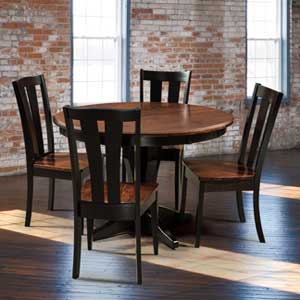
- Dining tables and chairs (high-impact durability)
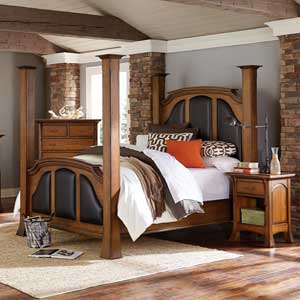
- Bedroom furniture (dressers, beds, nightstands)
- Bookcases and shelving (strength for heavy loads)
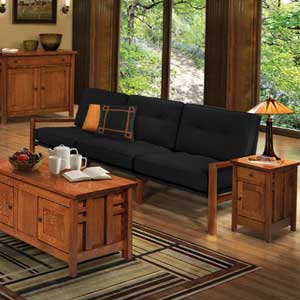
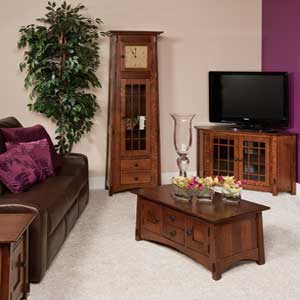
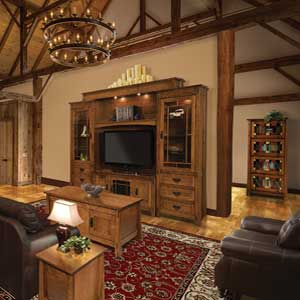
- Mission and Craftsman style furniture
2. Cherry: The Elegant Choice
American Black Cherry is treasured for its rich color, smooth grain, and the way it deepens and darkens beautifully with age and light exposure.
Cherry Characteristics:
- Janka Hardness: 950 lbf (moderately hard)
- Grain Pattern: Fine, straight, closed grain with occasional waves
- Color: Light pinkish-brown when fresh, aging to deep reddish-brown
- Workability: Excellent—easy to cut, shape, and finish
- Aging: Darkens significantly over time, developing rich patina
Best Uses for Cherry:
- Formal dining room furniture
- Bedroom sets (elegant, warm appearance)
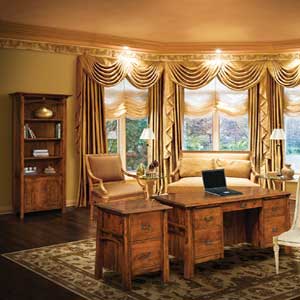
- Executive desks and office furniture
- Display cabinets and china hutches
3. Maple: The Versatile Performer
Hard Maple (Sugar Maple) is one of the hardest domestic woods, offering exceptional durability and a clean, contemporary appearance.
Maple Characteristics:
- Janka Hardness: Hard Maple 1,450 lbf (one of the hardest domestic woods)
- Grain Pattern: Fine, even grain, sometimes with curly or bird's eye figure
- Color: Creamy white to light reddish-brown
- Durability: Exceptional resistance to wear and abrasion
- Finishing: Can be challenging to stain evenly; often finished natural
Best Uses for Maple:
- Kitchen and dining furniture (extreme durability)
- Children's furniture (withstands heavy use)
- Contemporary and Shaker style pieces
- Butcher blocks and cutting boards
4. Walnut: The Premium Selection
American Black Walnut is considered the premium choice for fine furniture, prized for its rich chocolate color and sophisticated appearance.
Walnut Characteristics:
- Janka Hardness: 1,010 lbf (moderately hard)
- Grain Pattern: Straight grain with occasional waves, fine to medium texture
- Color: Rich chocolate brown to deep purple-brown with lighter sapwood
- Workability: Excellent—easy to work with hand and machine tools
- Stability: Excellent—minimal movement with humidity changes
Best Uses for Walnut:
- High-end dining tables and chairs
- Executive desks and office furniture
- Bedroom furniture for sophisticated spaces
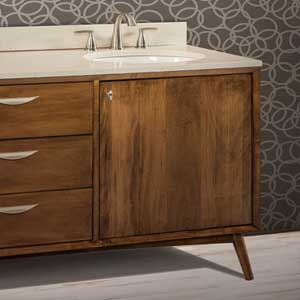
- Mid-century modern and contemporary designs
Other Excellent Furniture Woods
Hickory: The Strength Champion
- Janka Hardness: 1,820 lbf (hardest domestic wood)
- Characteristics: Extremely strong, dramatic grain variation, rustic appearance
- Best For: Rustic furniture, chairs, high-stress applications
Ash: The Flexible Option
- Janka Hardness: 1,320 lbf
- Characteristics: Strong, flexible, prominent grain similar to oak
- Best For: Chairs, bent wood applications, sports equipment
Wood Comparison: Making the Right Choice
By Hardness (Most to Least Durable):
- Hickory (1,820 lbf) - Maximum durability
- Hard Maple (1,450 lbf) - Excellent durability
- White Oak (1,360 lbf) - Excellent durability
- Red Oak (1,290 lbf) - Very good durability
- Walnut (1,010 lbf) - Good durability
- Cherry (950 lbf) - Good durability
By Color (Light to Dark):
- Maple - Creamy white to light tan
- Ash - Light tan to medium brown
- Oak - Light to medium brown with warm tones
- Cherry - Light pink aging to deep reddish-brown
- Walnut - Rich chocolate to deep purple-brown
By Price Point:
- Red Oak - Most affordable hardwood option
- Maple - Mid-range pricing
- White Oak - Mid to upper range
- Cherry - Upper mid-range
- Walnut - Premium pricing
Matching Wood Type to Furniture Style
Mission/Craftsman Style:
Best Woods: Quarter-sawn white oak (traditional choice), red oak
Shaker Style:
Best Woods: Maple, cherry, walnut
Traditional/Formal:
Best Woods: Cherry, walnut, mahogany
Contemporary/Modern:
Best Woods: Walnut, maple, white oak
Rustic/Country:
Best Woods: Hickory, knotty pine, reclaimed oak
Sustainability and Responsible Sourcing
Amish craftsmen prioritize sustainably harvested domestic hardwoods from responsibly managed forests.
Sustainable Practices:
- Sourcing from certified sustainable forests
- Using domestic woods to reduce transportation impact
- Minimizing waste through careful planning
- Creating furniture that lasts generations
How to Choose the Right Wood for Your Furniture
Consider These Factors:
1. Intended Use
High-traffic pieces (dining tables, desks) benefit from harder woods like maple or oak. Display pieces can use softer woods like cherry or walnut.
2. Aesthetic Preference
Do you prefer light, contemporary looks (maple) or rich, traditional appearance (walnut, cherry)?
3. Budget
Oak and maple offer excellent value, while walnut and cherry command premium prices.
4. Aging Characteristics
Cherry darkens significantly over time; maple and oak remain relatively stable.
Conclusion: Invest in the Right Wood
The wood species you choose for your furniture significantly impacts its appearance, durability, and longevity. Oak, cherry, maple, and walnut remain the preferred choices of Amish craftsmen for good reason—each offers unique benefits proven over centuries of furniture making.
When you invest in solid hardwood furniture crafted from these premium species, you're choosing pieces that will serve your family for generations.
Frequently Asked Questions
What is the best wood for furniture that lasts?
Oak and hard maple are the best woods for maximum durability and longevity. Oak offers excellent hardness (1,290-1,360 lbf) with beautiful grain, while hard maple (1,450 lbf) is one of the hardest domestic woods. Both resist wear exceptionally well and can last 100+ years.
Why do Amish craftsmen prefer certain wood types?
Amish craftsmen prefer oak, cherry, maple, and walnut because these hardwoods offer the perfect combination of durability, workability, beauty, and longevity. These species respond well to traditional joinery techniques and create furniture that lasts generations.
Is oak or maple better for dining tables?
Both are excellent choices. Hard maple (1,450 lbf) is slightly harder and more dent-resistant, ideal for families with children. Oak (1,290-1,360 lbf) offers beautiful prominent grain and is more affordable. Both will last generations with proper care.
What wood is best for bedroom furniture?
Cherry and walnut are ideal for bedroom furniture due to their rich, warm colors and elegant appearance. Cherry develops a beautiful patina over time, while walnut offers sophisticated chocolate tones. Oak and maple also work well for more traditional or contemporary bedroom styles.


