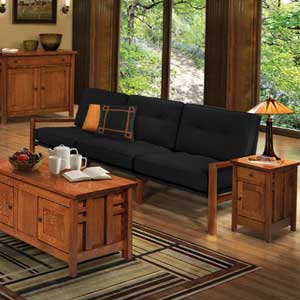
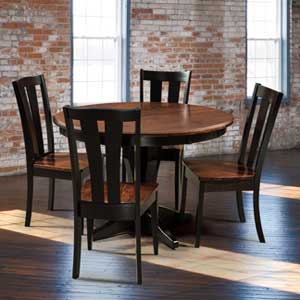
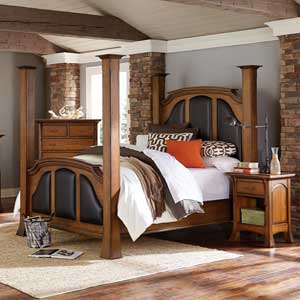
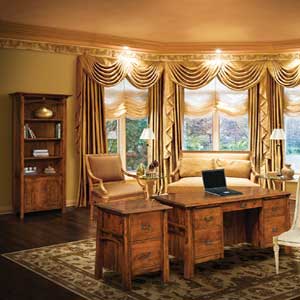

Introduction: Choosing the right wall paint color to complement your brown furniture can transform your space from ordinary to extraordinary. The perfect color enhances your furniture's natural beauty while creating the atmosphere you desire, whether that's cozy and warm, bright and airy, or sophisticated and dramatic.
Understanding Brown Furniture Undertones
Why Undertones Matter:
Brown furniture isn't simply "brown"—it contains undertones that affect which wall colors work best.
Common Undertones in Wood Furniture:
- Warm Undertones: Red, orange, yellow (oak, cherry, pine)
- Cool Undertones: Gray, blue (some maple, ash)
- Neutral Undertones: Balanced warm and cool (walnut, some oak)
How to Identify Your Furniture's Undertone:
- Look at furniture in natural daylight
- Compare to pure white paper
- Notice if it appears more red/orange or gray/blue
- Consider the wood species and stain color
Best Paint Colors for Light Brown Furniture
Light Oak, Maple, Pine:
Light brown furniture with warm golden undertones pairs beautifully with a wide range of colors.
Top Color Choices:
1. Soft Whites and Creams:
- Why: Creates bright, airy feel while letting furniture stand out
- Best Shades: Warm white, cream, ivory, off-white
- Effect: Clean, fresh, timeless
- Works For: Any room, especially small spaces
2. Warm Grays:
- Why: Modern neutral that complements without competing
- Best Shades: Greige, warm gray, taupe-gray
- Effect: Contemporary, sophisticated
- Works For: Living rooms, bedrooms, offices
3. Soft Blues:
- Why: Cool contrast balances warm wood tones
- Best Shades: Powder blue, sky blue, soft aqua
- Effect: Calming, coastal, fresh
- Works For: Bedrooms, bathrooms, casual spaces
4. Sage Green:
- Why: Natural pairing with wood, brings outdoors in
- Best Shades: Soft sage, celadon, mint
- Effect: Peaceful, organic, refreshing
- Works For: Bedrooms, dining rooms, living rooms
Best Paint Colors for Medium Brown Furniture
Medium Oak, Cherry, Hickory:
Medium brown furniture with rich warm tones creates a cozy foundation for various color schemes.
Top Color Choices:
1. Warm Neutrals:
- Why: Harmonizes with furniture's warmth
- Best Shades: Beige, tan, warm taupe, sand
- Effect: Cozy, inviting, cohesive
- Works For: Living rooms, family rooms, dens
2. Soft Yellow:
- Why: Enhances warm undertones, adds cheerfulness
- Best Shades: Butter yellow, cream yellow, pale gold
- Effect: Sunny, welcoming, energizing
- Works For: Kitchens, breakfast nooks, sunrooms
3. Terracotta/Rust:
- Why: Complements red undertones in wood
- Best Shades: Soft terracotta, burnt orange, rust
- Effect: Warm, earthy, Southwestern
- Works For: Dining rooms, accent walls, casual spaces
4. Deep Green:
- Why: Rich contrast creates sophisticated look
- Best Shades: Forest green, hunter green, olive
- Effect: Traditional, elegant, grounded
- Works For: Libraries, offices, formal dining rooms
Best Paint Colors for Dark Brown Furniture
Walnut, Dark Cherry, Espresso:
Dark brown furniture makes a bold statement and requires careful color selection to avoid a heavy feel.
Top Color Choices:
1. Light Neutrals:
- Why: Essential contrast prevents room from feeling dark
- Best Shades: Soft white, light gray, pale beige
- Effect: Bright, balanced, showcases furniture
- Works For: Any room with dark furniture
2. Pale Blue-Gray:
- Why: Cool contrast balances dark warmth
- Best Shades: Pale blue-gray, silver sage, misty blue
- Effect: Sophisticated, calming, modern
- Works For: Bedrooms, living rooms, offices
3. Soft Blush:
- Why: Unexpected pairing adds warmth and femininity
- Best Shades: Pale pink, blush, dusty rose
- Effect: Romantic, soft, contemporary
- Works For: Bedrooms, dressing rooms
4. Navy Blue:
- Why: Bold choice creates dramatic, sophisticated space
- Best Shades: Deep navy, midnight blue, indigo
- Effect: Dramatic, elegant, moody
- Works For: Accent walls, libraries, formal spaces
Colors to Avoid with Brown Furniture
Problematic Pairings:
1. Brown-on-Brown:
- Why Avoid: Creates muddy, monotonous look
- Exception: Very light tan with dark furniture (high contrast)
2. Bright Orange:
- Why Avoid: Clashes with red undertones in wood
- Exception: Soft terracotta or burnt orange (muted tones)
3. Bright Yellow:
- Why Avoid: Overwhelming with warm wood tones
- Exception: Pale butter yellow or cream yellow
4. Purple:
- Why Avoid: Rarely complements brown undertones
- Exception: Soft lavender in small doses
Color Strategies by Room
Living Room:
- Goal: Inviting, comfortable, versatile
- Best Colors: Warm gray, soft white, sage green, warm beige
- Tip: Use accent wall in deeper tone for interest
Bedroom:
- Goal: Calming, restful, personal
- Best Colors: Soft blue, pale gray, cream, sage
- Tip: Choose cooler tones for better sleep
Dining Room:
- Goal: Elegant, appetite-enhancing, social
- Best Colors: Deep green, warm taupe, soft yellow, navy
- Tip: Richer colors create intimate atmosphere
Home Office:
- Goal: Focused, professional, energizing
- Best Colors: Soft gray, pale blue, cream, sage
- Tip: Avoid overly warm colors that can cause drowsiness
Creating Color Schemes
Monochromatic Scheme:
- Use varying shades of one color
- Example: Cream walls + beige accents + brown furniture
- Effect: Cohesive, calming, sophisticated
Complementary Scheme:
- Use colors opposite on color wheel
- Example: Blue walls + orange accents + brown furniture
- Effect: Vibrant, energetic, balanced
Analogous Scheme:
- Use colors next to each other on wheel
- Example: Green walls + yellow accents + brown furniture
- Effect: Harmonious, natural, flowing
Testing Paint Colors
Essential Steps:
- Get Samples: Purchase small paint samples
- Paint Large Swatches: 2' x 2' minimum on multiple walls
- Observe Throughout Day: Morning, afternoon, evening light
- View with Furniture: See how color interacts with wood
- Consider Lighting: Natural vs. artificial affects appearance
- Live With It: Observe for several days before deciding
Lighting Considerations:
- North-Facing Rooms: Use warm colors (cool natural light)
- South-Facing Rooms: Any color works (warm natural light)
- East-Facing Rooms: Morning sun, afternoon cool
- West-Facing Rooms: Afternoon/evening warm light
Additional Design Tips
Using Accent Colors:
- Choose 2-3 accent colors from wall color palette
- Use in pillows, artwork, rugs, accessories
- Follow 60-30-10 rule (60% dominant, 30% secondary, 10% accent)
Trim and Ceiling Colors:
- Trim: Typically white or cream for contrast
- Ceiling: White or one shade lighter than walls
- Effect: Defines space, adds architectural interest
Texture and Pattern:
- Add visual interest through textiles
- Mix patterns in coordinating colors
- Use texture to add depth without color
Paint Finish Selection
Finish Options:
- Flat/Matte: No shine, hides imperfections, hard to clean
- Eggshell: Slight sheen, durable, easy to clean
- Satin: Soft sheen, very durable, good for high-traffic
- Semi-Gloss: Noticeable shine, very durable, trim/doors
- Gloss: High shine, extremely durable, cabinets/furniture
Recommendations by Room:
- Living/Dining/Bedrooms: Eggshell or satin
- Kitchens/Bathrooms: Satin or semi-gloss
- Trim/Doors: Semi-gloss or gloss
- Ceilings: Flat
Conclusion: Create Your Perfect Palette
The best wall paint color for your brown furniture depends on the wood's undertones, the room's purpose, lighting conditions, and your personal style. By understanding color relationships and testing thoroughly, you can create a beautiful, cohesive space that showcases your quality furniture while reflecting your unique taste.
Frequently Asked Questions
What color walls go best with brown furniture?
The best wall colors for brown furniture are soft whites, warm grays, sage green, and soft blues. For dark brown furniture, use light neutrals for contrast. For light brown furniture, you have more flexibility including warm beiges, soft yellows, and pale blues.
Should I paint walls lighter or darker than brown furniture?
Generally, paint walls lighter than your furniture to create contrast and prevent a heavy feel. This is especially important with dark brown furniture. Light walls (whites, creams, pale grays) make rooms feel larger and showcase furniture beautifully.
What colors should I avoid with brown furniture?
Avoid brown-on-brown (creates muddy look), bright orange (clashes with red undertones), bright yellow (overwhelming), and most purples. Instead, choose colors with clear contrast or harmonious undertones like soft whites, grays, blues, or greens.
Does gray go with brown furniture?
Yes, warm gray (greige) pairs beautifully with brown furniture, creating a sophisticated, contemporary look. Choose grays with warm undertones rather than cool blue-grays. Test samples to ensure the gray complements rather than clashes with your furniture's undertones.


