
Introduction: Your bedroom should be a personal sanctuary—a peaceful retreat that promotes rest, relaxation, and rejuvenation. Designing this intimate space with quality Amish furniture creates a foundation of comfort, beauty, and functionality that transforms your bedroom into the cozy haven you deserve.
Essential Bedroom Furniture Pieces
The Foundation: Your Bed
Bed Size Selection:
- Twin: 38" x 75" - Single sleepers, children, small rooms
- Full: 54" x 75" - Single adults, guest rooms, smaller bedrooms
- Queen: 60" x 80" - Most popular, couples, standard bedrooms
- King: 76" x 80" - Spacious sleeping, larger bedrooms, couples who want space
- California King: 72" x 84" - Taller individuals, narrow but long rooms
Bed Style Options:
- Panel Beds: Traditional headboard and footboard with solid panels
- Sleigh Beds: Curved headboard and footboard, elegant appearance
- Platform Beds: Low profile, contemporary style, no box spring needed
- Storage Beds: Built-in drawers or lift-up storage, space-saving
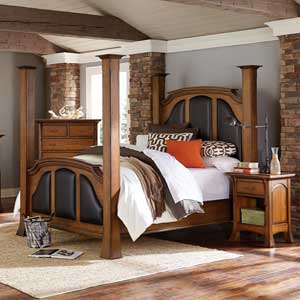
- Four-Poster Beds: Posts at corners, traditional or canopy style
Storage Essentials:
Dressers:
Primary clothing storage with 6-9 drawers, typically 30-36" tall, 48-72" wide.
Chests:
Tall, narrow storage (5-7 drawers), space-efficient, 48-54" tall, 30-36" wide.
Nightstands:
Bedside storage and surface, 24-30" tall (level with mattress top), 20-28" wide.
Armoires/Wardrobes:
Hanging storage for clothes, shelves, drawers, ideal when closet space is limited.
Bedroom Layout Planning
Bed Placement Guidelines:
Optimal Positioning:
- Center bed on longest wall (focal point)
- Avoid placing directly under windows (drafts, light)
- Keep away from doors (noise, traffic)
- Position for view of door (psychological comfort)
- Allow 24-36" clearance on each side for access
- Leave 36" at foot of bed for movement
Small Bedroom Solutions:
- Place bed against wall to maximize floor space
- Use corner placement in very small rooms
- Consider platform or storage bed to eliminate extra furniture
- Mount nightstand shelves instead of tables
Furniture Arrangement by Room Size:
Small Bedroom (10' x 10' to 10' x 12'):
- Queen or full bed against longest wall
- One nightstand (or wall-mounted shelf)
- Dresser or chest (not both)
- Vertical storage solutions
- Minimal additional furniture
Medium Bedroom (12' x 12' to 12' x 14'):
- Queen or king bed centered on wall
- Two matching nightstands
- Dresser and/or chest
- Optional: bench at foot of bed
- Reading chair if space allows
Large Bedroom (14' x 16' or larger):
- King bed as focal point
- Two nightstands
- Dresser and chest
- Bench or ottoman at foot of bed
- Seating area with chairs
- Armoire or additional storage
Maximizing Storage Solutions
Dresser Organization:
- Top drawers: Undergarments, socks, accessories
- Middle drawers: Folded shirts, pants, pajamas
- Bottom drawers: Bulky items, sweaters, seasonal clothing
- Use drawer dividers for organization
- Fold clothes vertically for visibility
Nightstand Functionality:
- Top surface: Lamp, alarm clock, water glass
- Drawer: Personal items, reading materials, medications
- Lower shelf: Books, extra blankets
- Consider charging station integration
Under-Bed Storage:
- Storage beds with built-in drawers
- Rolling storage containers
- Seasonal clothing and bedding
- Out-of-season shoes
- Keep organized and dust-free
Vertical Storage Ideas:
- Tall chests instead of wide dressers
- Wall-mounted shelves above nightstands
- Hooks for robes and bags
- Armoires for hanging storage
- Over-door organizers
Creating a Cozy Atmosphere
Lighting Layers:
Ambient Lighting:
- Ceiling fixture or chandelier (dimmable)
- Recessed lighting with dimmer
- Soft, warm bulbs (2700-3000K)
Task Lighting:
- Bedside lamps for reading (one per side)
- Dresser lamps for getting ready
- Adjustable reading lights
Accent Lighting:
- String lights for ambiance
- Candles (real or LED)
- Accent lamps on shelves
Bedding Selection:
Layering for Comfort:
- Foundation: Quality mattress and box spring/platform
- Protection: Mattress pad or protector
- Sheets: Soft, breathable cotton or linen
- Blanket: Warmth layer (cotton, wool, or fleece)
- Comforter/Duvet: Main bedding layer
- Decorative: Throw blanket, accent pillows
Color and Pattern:
- Coordinate with wood furniture tones
- Use neutrals as base, add color with accents
- Mix patterns in different scales
- Change seasonally for variety
Window Treatments:
- Blackout curtains or shades for sleep quality
- Layered treatments (sheers + curtains)
- Floor-length curtains for elegance
- Coordinate with bedding colors
- Consider light control and privacy needs
Color Schemes for Cozy Bedrooms
With Warm Wood Furniture (Oak, Cherry):
- Neutrals: Cream, beige, warm gray, taupe
- Earth Tones: Sage green, terracotta, warm brown
- Rich Colors: Deep blue, burgundy, forest green
With Cool Wood Furniture (Maple, Ash):
- Neutrals: White, cool gray, soft blue-gray
- Cool Tones: Soft blue, lavender, mint green
- Contrast: Navy, charcoal, deep teal
With Dark Wood Furniture (Walnut):
- Light Neutrals: White, cream, light gray (balance darkness)
- Soft Colors: Blush, soft blue, pale green
- Accent: Deep jewel tones in small doses
Styling and Decorating Tips
Dresser Top Styling:
- Table lamp for lighting and style
- Decorative tray to corral small items
- Mirror (leaning or hanging above)
- Personal items (photos, jewelry box)
- Fresh flowers or plants
- Keep functional but not cluttered
Nightstand Styling:
- Lamp (proportional to nightstand size)
- Small plant or flowers
- Decorative object or photo
- Books (2-3 stacked)
- Keep essentials accessible but tidy
Wall Decor:
- Artwork above bed (centered, 6-12" above headboard)
- Gallery wall on adjacent wall
- Large mirror to reflect light
- Floating shelves for display
- Coordinate frames with furniture finish
Textiles and Softness:
- Area rug (extends 18-24" beyond bed sides)
- Throw pillows (3-5 on queen, 5-7 on king)
- Throw blanket at foot of bed
- Curtains for softness and warmth
- Upholstered bench or ottoman
Creating Functional Zones
Sleeping Zone:
- Bed as focal point
- Nightstands within arm's reach
- Blackout window treatments
- Minimal electronics
- Comfortable temperature control
Dressing Zone:
- Dresser with mirror
- Good lighting for getting ready
- Jewelry storage
- Hamper or laundry basket
- Full-length mirror
Reading/Relaxation Zone (if space allows):
- Comfortable chair or chaise
- Side table for drinks/books
- Reading lamp
- Small bookshelf
- Throw blanket
Maintaining a Clutter-Free Bedroom
Daily Habits:
- Make bed every morning
- Put clothes away immediately
- Clear nightstands before bed
- Use hamper for dirty clothes
- Return items to proper places
Storage Solutions:
- Designated place for everything
- Use drawer dividers and organizers
- Rotate seasonal clothing
- Purge regularly (donate unused items)
- Maximize vertical space
Special Considerations
Master Bedroom:
- Invest in quality, matching furniture set
- Create symmetry with matching nightstands
- Include seating area if space allows
- Prioritize comfort and luxury
- Add personal touches and artwork
Guest Bedroom:
- Comfortable bed with quality mattress
- Empty dresser drawers for guests
- Luggage rack or bench
- Bedside lighting and charging options
- Minimal personal items
Children's Bedroom:
- Durable furniture that grows with child
- Ample storage for toys and clothes
- Study area with desk
- Safety considerations (rounded edges)
- Fun but timeless design
Conclusion: Your Personal Sanctuary
Designing a cozy bedroom with quality Amish furniture creates a foundation for rest, relaxation, and personal renewal. By thoughtfully planning your layout, maximizing storage, and styling with intention, you transform your bedroom into a beautiful sanctuary that serves you well for years to come.
Frequently Asked Questions
How should I arrange furniture in a small bedroom?
Place the bed against the longest wall, use one nightstand or wall-mounted shelf, choose a dresser OR chest (not both), and maximize vertical storage. Consider a storage bed to eliminate need for additional furniture. Keep 24-36 inches clearance for movement.
What size bed should I get for my bedroom?
Allow 24-36 inches clearance on each side of the bed and 36 inches at the foot. For a 10'x12' room, a queen bed works well. For 12'x14' or larger, a king bed fits comfortably. Measure your room and subtract 6-7 feet from each dimension to find maximum bed size.
How high should nightstands be?
Nightstands should be 24-30 inches tall, approximately level with the top of your mattress (including mattress pad and bedding). This height allows easy reach from bed and proper proportion with the bed's visual weight.
What colors make a bedroom feel cozy?
Warm neutrals (cream, beige, warm gray), soft earth tones (sage, terracotta, taupe), and muted colors create cozy bedrooms. With warm wood furniture, use warm color palettes. With dark wood, use lighter colors to balance. Layer textures through bedding, rugs, and curtains for added coziness.


