
Introduction: The dining room serves as the heart of the home—a place where families gather, meals are shared, and memories are created. Designing this essential space with quality Amish furniture creates an inviting environment that encourages connection and celebrates the timeless art of gathering together.
Why the Dining Room Matters
More Than Just a Place to Eat:
- Central gathering space for family meals
- Venue for entertaining guests and celebrations
- Homework and project workspace
- Game nights and family activities
- Holiday traditions and special occasions
- Meaningful conversations and connection
Choosing the Perfect Dining Table
Size Considerations:
Measuring Your Space:
- Allow 36-42 inches clearance around table for chair movement
- Measure room dimensions before shopping
- Consider traffic flow patterns
- Account for buffets, china cabinets, or sideboards
- Plan for both everyday use and entertaining
Seating Capacity Guide:
- 48" Round: Seats 4 comfortably
- 60" Round: Seats 6-8
- 42" x 60" Rectangle: Seats 6
- 42" x 72" Rectangle: Seats 6-8
- 42" x 84" Rectangle: Seats 8-10
- With Leaves: Add 2 seats per 12" leaf
Table Shape Selection:
Rectangular Tables:
Best For: Traditional dining rooms, larger families, formal entertaining
Advantages: Maximum seating capacity, classic appearance, fits well in rectangular rooms, accommodates leaves for expansion
Round Tables:
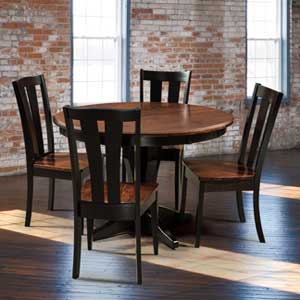
Best For: Smaller spaces, intimate gatherings, conversation-focused dining
Advantages: Everyone faces each other, no head of table, works in square rooms, easier traffic flow
Square Tables:
Best For: Small dining areas, breakfast nooks, 4-person households
Advantages: Intimate seating, space-efficient, contemporary look, fits square rooms perfectly
Oval Tables:
Best For: Formal dining rooms, those who want round table benefits with more seating
Advantages: Combines rectangular capacity with round table intimacy, elegant appearance, no sharp corners
Table Base Styles:
Pedestal Base:
- Single central support
- Maximum leg room
- No corner legs to navigate
- Traditional or contemporary styles
- Best for round and oval tables
Trestle Base:
- Two end supports connected by stretcher
- Rustic, farmhouse appeal
- Very stable for large tables
- Accommodates benches easily
- Classic Amish design
Leg Tables:
- Four corner legs (or more)
- Traditional appearance
- Extremely sturdy
- Various leg styles available
- Works with all table shapes
Selecting Dining Chairs
Comfort Considerations:
- Seat Height: 18" from floor (standard)
- Seat Depth: 16-18" for comfort
- Back Support: Lumbar support for extended sitting
- Armrests: Optional, but ensure they fit under table
- Cushioning: Upholstered seats for comfort during long meals
Style Options:
Side Chairs:
Armless chairs that slide completely under table, maximizing space and seating capacity.
Arm Chairs:
Chairs with armrests, typically used at table ends for hosts. Provide extra comfort and formal appearance.
Bench Seating:
Space-efficient option that seats more people, perfect for families with children, creates casual atmosphere.
Mixing Chair Styles:
- Use arm chairs at table ends, side chairs along sides
- Combine bench on one side with chairs on other
- Mix upholstered and wood seats
- Ensure all pieces coordinate in wood tone and style
Essential Storage Pieces
Buffets and Sideboards:
Functions:
- Storage for table linens, serving pieces, flatware
- Surface for serving food buffet-style
- Display space for decorative items
- Conceals clutter during entertaining
Sizing:
- Length: 48-72" typical
- Height: 32-36" (comfortable serving height)
- Depth: 18-24"
- Should be proportional to table size
China Cabinets and Hutches:
Functions:
- Display fine china, glassware, collectibles
- Enclosed storage protects valuables
- Glass doors showcase beautiful pieces
- Adds vertical interest and elegance
Placement:
- Against longest wall for visual balance
- Opposite or adjacent to table
- Ensure doors can open fully
- Consider lighting (interior or nearby)
Layout and Space Planning
Optimal Furniture Placement:
Table Positioning:
- Center table in room when possible
- Align with light fixture overhead
- Maintain equal clearance on all sides
- Consider view from adjacent rooms
- Position for natural light access
Traffic Flow:
- Create clear pathways to kitchen
- Ensure easy access to all seats
- Don't block doorways or passages
- Allow space for serving and clearing
Small Dining Room Solutions:
- Round or square tables maximize space
- Extendable tables for flexibility
- Bench seating on one side
- Wall-mounted buffet or floating shelves
- Mirrors to create illusion of space
- Light colors to open up room
Lighting Your Dining Space
Chandelier Selection:
Sizing Guidelines:
- Diameter: Table width minus 12" (minimum)
- Height: 30-36" above table surface
- Proportion: Should be 1/2 to 2/3 table width
- Clearance: At least 6" narrower than table
Style Coordination:
- Match fixture finish to furniture hardware
- Coordinate style (traditional, contemporary, rustic)
- Consider wood elements in chandelier
- Ensure adequate light output for space
Layered Lighting:
- Ambient: Chandelier or ceiling fixture
- Task: Buffet lamps for serving
- Accent: China cabinet interior lighting
- Dimmer: Essential for mood control
Color and Style Coordination
Wall Colors for Dining Rooms:
With Warm Woods (Oak, Cherry):
- Warm neutrals: cream, beige, warm gray
- Earth tones: sage, terracotta, warm taupe
- Rich colors: deep red, navy, forest green
With Cool Woods (Maple, Ash):
- Cool neutrals: gray, white, cool beige
- Blues: soft blue, blue-gray, navy
- Greens: sage, seafoam, mint
With Dark Woods (Walnut):
- Light neutrals to balance darkness
- Soft white, cream, pale gray
- Accent walls in deeper tones
Window Treatments:
- Floor-length curtains add elegance
- Natural fabrics complement wood furniture
- Consider light control for different times of day
- Coordinate with overall color scheme
Styling and Decorating
Table Centerpieces:
- Keep low (under 12") for conversation
- Change seasonally for variety
- Use natural elements (flowers, branches, fruit)
- Consider table runners instead of full cloths
- Leave space for serving dishes
Wall Decor:
- Artwork at eye level when seated
- Mirror to reflect light and expand space
- Gallery wall of family photos
- Floating shelves for display
- Coordinate frames with furniture finish
Buffet Styling:
- Layer items at varying heights
- Use trays to group smaller items
- Add table lamp for ambient lighting
- Display seasonal decor
- Keep functional items accessible
Creating Ambiance for Different Occasions
Everyday Family Meals:
- Simple placemats or table runner
- Casual centerpiece
- Bright, functional lighting
- Easy-to-clean surfaces
Formal Entertaining:
- Full tablecloth and cloth napkins
- Elegant centerpiece
- Dimmed chandelier with candles
- Fine china and glassware
- Coordinated place settings
Holiday Gatherings:
- Seasonal decorations and colors
- Extended table with leaves
- Buffet setup for serving
- Festive lighting
- Special table linens
Maintaining Your Dining Furniture
Daily Care:
- Use placemats and coasters
- Wipe spills immediately
- Dust regularly with soft cloth
- Avoid placing hot items directly on wood
Long-Term Protection:
- Use table pads for protection during meals
- Rotate table leaves to age evenly
- Keep out of direct sunlight
- Maintain consistent humidity levels
- Reapply finish as needed
Conclusion: Invest in Gathering
Creating a beautiful dining room with quality Amish furniture is an investment in connection, tradition, and lasting memories. The right combination of thoughtfully selected pieces, proper layout, and personal styling transforms your dining space into a welcoming gathering place that serves your family for generations.
Frequently Asked Questions
What size dining table do I need for my room?
Allow 36-42 inches of clearance around the table for chairs and movement. Measure your room, subtract 6-7 feet from both length and width, and that's your maximum table size. For example, a 12' x 14' room can accommodate a table up to 5-6' x 7-8'.
Should dining chairs match the table?
Chairs don't have to match the table exactly. You can mix wood tones (like oak chairs with walnut table) or combine upholstered chairs with wood tables. Ensure pieces coordinate in style and that wood undertones (warm or cool) are consistent.
How high should a chandelier hang over a dining table?
Hang chandeliers 30-36 inches above the table surface. For rooms with ceilings higher than 8 feet, add 3 inches of height for each additional foot of ceiling height. The chandelier should be 1/2 to 2/3 the width of your table.
What's better for small dining rooms: round or rectangular tables?
Round tables work better in small square rooms because they eliminate corners and improve traffic flow. Rectangular tables work better in narrow rectangular rooms. For maximum flexibility in small spaces, choose an extendable table that expands when needed.


