
Introduction: Your home environment plays a crucial role in your mental and physical well-being. The furniture you choose isn't just about aesthetics—it directly impacts your mood, comfort, productivity, and overall quality of life. In this comprehensive guide, we'll explore the science-backed connection between furniture choices and well-being, and how thoughtful selections can transform your living space into a sanctuary of comfort and positivity.
The Psychology of Furniture and Mood
Research in environmental psychology demonstrates that our surroundings significantly influence our emotional state. Furniture serves as more than functional objects—they shape how we feel, think, and interact within our spaces.
Key Psychological Factors:
- Color Psychology: Natural wood tones promote calmness and connection to nature
- Texture and Touch: Smooth, quality finishes create sensory satisfaction
- Spatial Arrangement: Well-organized furniture reduces stress and anxiety
- Personal Connection: Heirloom-quality pieces foster emotional attachment and stability
Ergonomics and Physical Well-Being
Proper ergonomic furniture design directly impacts your physical health, which in turn affects your mood and mental clarity.
Benefits of Ergonomic Furniture:
- Reduces chronic pain and discomfort
- Improves posture and spinal health
- Increases energy levels throughout the day
- Enhances focus and productivity
- Promotes better sleep quality
Expert Tip: Amish-crafted furniture is designed with human comfort in mind, featuring proper seat depths, supportive backrests, and natural proportions that align with body mechanics.
Natural Materials and Mental Health
The materials used in furniture construction have measurable effects on indoor air quality and psychological well-being.
Why Natural Wood Furniture Matters:
- Biophilic Design: Natural wood connects us to nature, reducing stress hormones
- Air Quality: Solid wood doesn't off-gas harmful chemicals like synthetic materials
- Sensory Experience: Natural grain patterns and textures are visually calming
- Longevity: Durable furniture reduces anxiety about replacement and waste
Creating Functional Zones for Different Moods
Strategic furniture placement helps create distinct zones that support various activities and emotional states.
Mood-Enhancing Furniture Zones:
1. Relaxation Zone
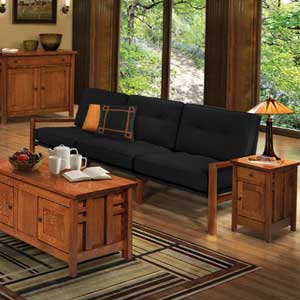
Comfortable recliners, soft lighting, and side tables for beverages create a dedicated space for unwinding and stress relief.
2. Productivity Zone
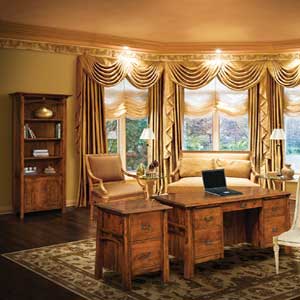
A well-designed desk, ergonomic chair, and organized storage promote focus and accomplishment, boosting confidence and satisfaction.
3. Social Connection Zone
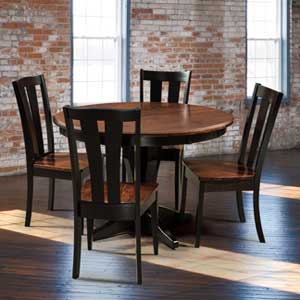
Dining tables and conversation-friendly seating arrangements foster meaningful relationships and emotional support.
4. Rest and Recovery Zone
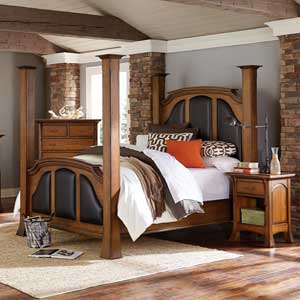
Quality bedroom furniture with proper mattress support ensures restorative sleep, essential for emotional regulation.
The Role of Craftsmanship in Emotional Connection
Handcrafted furniture carries an intangible quality that mass-produced items cannot replicate—the human touch and attention to detail create pieces with soul and character.
Benefits of Amish Craftsmanship:
- Each piece tells a story of skill and dedication
- Unique variations make your furniture truly one-of-a-kind
- Supporting traditional crafts provides purpose and meaning
- Heirloom quality creates lasting family memories
- Sustainable practices align with values-driven living
Color and Finish: Setting the Emotional Tone
The color and finish of your furniture significantly influence the atmosphere of your space.
Wood Tone Psychology:
- Light Woods (Maple, Oak): Create airy, optimistic, and energizing environments
- Medium Woods (Cherry, Walnut): Provide warmth, comfort, and balanced energy
- Dark Woods (Mahogany, Espresso): Offer sophistication, grounding, and cozy intimacy
Decluttering Through Smart Storage Solutions
Mental clutter often reflects physical clutter. Furniture with integrated storage helps maintain organized, peaceful spaces.
Storage Furniture That Improves Well-Being:
- Dressers and chests of drawers for bedroom organization
- Bookcases and display cabinets for meaningful collections
- Storage benches and ottomans for hidden organization
- Sideboards and buffets for dining room efficiency
Investment in Quality: Long-Term Emotional Benefits
Choosing quality furniture over disposable options provides psychological benefits beyond the physical product.
Emotional Advantages of Quality Investment:
- Reduces decision fatigue from constant replacement
- Creates sense of stability and permanence
- Builds pride in home environment
- Aligns spending with personal values
- Decreases environmental anxiety
Practical Steps to Choose Mood-Boosting Furniture
Step 1: Assess Your Needs
Identify which rooms need improvement and what activities occur in each space.
Step 2: Prioritize Comfort
Test furniture in person when possible. Comfort should never be compromised for style alone.
Step 3: Choose Natural Materials
Opt for solid wood, natural fabrics, and non-toxic finishes that support health and well-being.
Step 4: Consider Scale and Proportion
Furniture that fits your space properly creates harmony and reduces visual stress.
Step 5: Invest in Key Pieces
Focus budget on high-use items: bed, desk chair, dining table, and primary seating.
Conclusion: Your Furniture, Your Sanctuary
The furniture you choose has profound effects on your daily mood, physical comfort, and long-term well-being. By selecting thoughtfully crafted, ergonomic, and natural pieces—like those created by Amish artisans—you're not just furnishing a house, you're creating a home that nurtures your mind, body, and spirit.
Investing in quality furniture is an investment in yourself. Every time you sit in a well-crafted chair, gather around a solid wood table, or rest in a comfortable bed, you're supporting your own well-being and creating an environment where you can thrive.
Ready to transform your space? Explore our collection of handcrafted Amish furniture designed to enhance your mood and well-being for generations to come.
Frequently Asked Questions
How does furniture affect mental health?
Furniture affects mental health through ergonomic comfort, aesthetic appeal, spatial organization, and material quality. Comfortable, well-designed furniture reduces physical stress, while organized spaces decrease anxiety and improve focus.
What type of furniture is best for well-being?
Natural wood furniture with ergonomic design is best for well-being. Solid wood pieces made from oak, maple, cherry, or walnut provide durability, non-toxic materials, and biophilic benefits that connect you to nature.
Why is Amish furniture good for mood improvement?
Amish furniture improves mood through superior craftsmanship, natural materials, ergonomic design, and lasting quality. The handcrafted nature creates emotional connection, while solid wood construction provides health benefits and timeless beauty.


