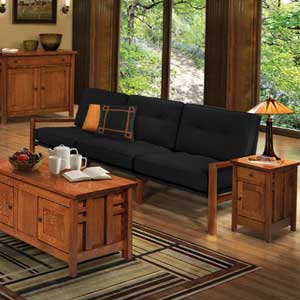
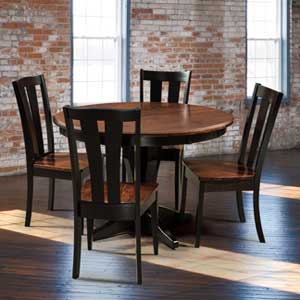
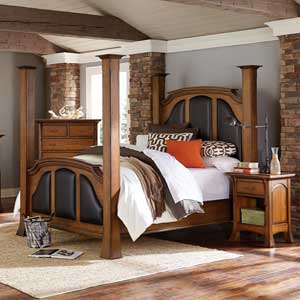
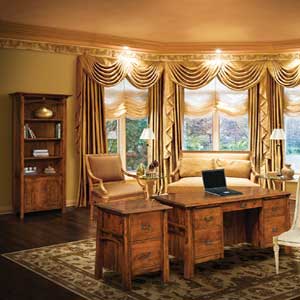

Introduction: In a world of mass-produced furniture designed for short-term use, Amish-made sofas stand apart as investments in quality, craftsmanship, and lasting value. Understanding what makes these handcrafted pieces exceptional helps you make an informed decision that will serve your family for generations.
Reason #1: Superior Craftsmanship and Construction
Traditional Joinery Techniques:
Amish craftsmen use time-tested methods passed down through generations, creating furniture that's built to last.
Mortise-and-Tenon Joints:
- Interlocking wood joints create exceptional strength
- No reliance on screws or staples alone
- Joints tighten over time rather than loosening
- Structural integrity lasts decades
Dovetail Construction:
- Used in drawer and frame assembly
- Interlocking design prevents separation
- Visible sign of quality craftsmanship
- Stronger than glue or hardware alone
Solid Hardwood Frames:
Unlike mass-produced sofas with particle board or plywood frames, Amish sofas feature 100% solid hardwood construction.
Wood Species Used:
- Oak: Extremely durable, traditional choice
- Maple: Very hard, resists wear
- Cherry: Beautiful grain, ages gracefully
- Walnut: Premium strength and appearance
Frame Benefits:
- Supports weight without sagging
- Won't crack or break under stress
- Can be refinished if needed
- Lasts 25+ years minimum
Eight-Way Hand-Tied Springs:
The gold standard in sofa suspension, hand-tied springs provide superior comfort and longevity.
What Makes Them Special:
- Each spring tied to frame and adjacent springs in 8 directions
- Creates flexible, supportive seating
- Distributes weight evenly
- Maintains shape for 15-25 years
- Can be retied if needed (not replaced)
Comparison to Mass-Produced:
- Amish: Hand-tied coil springs
- Mass-Produced: Sinuous (zigzag) springs or webbing
- Result: Better support, longer life, superior comfort
Reason #2: Exceptional Durability and Longevity
Built to Last Generations:
Amish sofas aren't designed for 5-7 years of use—they're heirloom pieces meant to serve families for decades.
Component Lifespan:
- Frame: 25-50+ years (solid hardwood)
- Springs: 15-25 years (can be retied)
- Cushions: 10-15 years (replaceable)
- Upholstery: 10-25 years (depending on material)
Cost Per Year Analysis:
Amish Sofa ($2,500):
- Lifespan: 25+ years
- Cost per year: $100 or less
- Can be reupholstered and continue serving
Mass-Produced Sofa ($800):
- Lifespan: 5-7 years
- Cost per year: $114-$160
- Typically discarded when worn
- Need 3-5 replacements in 25 years
Repairability:
Unlike disposable furniture, Amish sofas can be repaired and restored:
- Frames can be reglued if joints loosen
- Springs can be retied
- Cushions can be replaced
- Upholstery can be changed
- Wood can be refinished
Reason #3: Extensive Customization Options
Size Customization:
Amish craftsmen can build sofas to your exact specifications.
Standard Modifications:
- Adjust length (60" to 100"+)
- Modify depth (32" to 42"+)
- Change seat height (17" to 20")
- Alter arm height and style
- Custom configurations (sectionals, L-shapes)
Perfect Fit Benefits:
- Fits your specific room dimensions
- Accommodates doorways and stairwells
- Suits your body size and comfort preferences
- Maximizes space efficiency
Style Customization:
Frame Styles:
- Traditional with rolled arms
- Contemporary with track arms
- Transitional designs
- Mission/Craftsman style
- English arm, lawson arm, and more
Wood and Finish Options:
- Choose wood species (oak, cherry, maple, walnut)
- Select stain color (dozens of options)
- Pick finish type (matte, satin, gloss)
- Match existing furniture
Upholstery Customization:
Material Choices:
- Leather (full-grain, top-grain, various colors)
- Fabric (hundreds of options)
- Performance fabrics (stain-resistant)
- Microfiber
- Combination (leather body, fabric cushions)
Cushion Options:
- High-density foam (firm support)
- Down blend (soft, luxurious)
- Spring down (supportive yet soft)
- Memory foam
- Custom firmness levels
Functional Customization:
- Add reclining mechanisms
- Include sleeper sofa functionality
- Incorporate storage compartments
- Add USB charging ports
- Include cup holders or console
Reason #4: Sustainable and Ethical Production
Environmental Sustainability:
Responsible Wood Sourcing:
- Domestic hardwoods from managed forests
- Supports local forestry
- Reduces transportation emissions
- Renewable resource when properly managed
Minimal Waste:
- Careful planning maximizes wood usage
- Scraps used for smaller projects
- Sawdust used for heating workshops
- No mass production waste
Longevity Reduces Waste:
- One sofa lasting 25+ years vs. 3-5 replacements
- Keeps furniture out of landfills
- Reduces manufacturing impact
- Can be passed down through generations
Ethical Craftsmanship:
Fair Labor Practices:
- Craftsmen fairly compensated
- Family-owned businesses
- Apprenticeship system preserves skills
- Community-based production
Quality Over Quantity:
- Time invested in each piece
- Pride in workmanship
- Personal accountability
- Reputation-based business model
Supporting Traditional Crafts:
- Preserves centuries-old techniques
- Maintains skilled trades
- Supports rural communities
- Keeps handcraft traditions alive
Reason #5: Superior Comfort and Support
Engineered for Comfort:
Every aspect of an Amish sofa is designed for long-term comfort, not just initial appeal.
Seating Support:
Spring System Benefits:
- Even weight distribution
- Responsive support that adapts to body
- Maintains comfort over time
- No sagging or bottoming out
- Proper lumbar support
Cushion Quality:
- High-density foam maintains shape
- Proper firmness prevents sinking
- Down options provide luxury softness
- Reversible cushions extend life
- Removable covers for cleaning
Ergonomic Design:
Proper Proportions:
- Seat depth supports thighs without pressure
- Seat height allows feet to rest flat
- Back height provides full support
- Arm height comfortable for resting
- Can be customized to your body
Long-Term Comfort:
Unlike sofas that feel great in showrooms but deteriorate quickly:
- Maintains support for decades
- Cushions don't flatten permanently
- Springs don't sag or poke through
- Frame doesn't creak or shift
- Upholstery wears gracefully
Additional Benefits Worth Noting
Investment Value:
- Retains value over time
- Can be sold as quality used furniture
- Becomes family heirloom
- Lower lifetime cost than replacements
Aesthetic Timelessness:
- Classic designs don't go out of style
- Quality materials age beautifully
- Can be reupholstered to update look
- Complements various décor styles
Health Benefits:
- Natural materials (no off-gassing)
- Proper support prevents back pain
- Quality upholstery options for allergies
- No formaldehyde or toxic adhesives
Making the Investment
What to Expect:
- Price Range: $1,500-$5,000+ depending on size and options
- Lead Time: 8-16 weeks for custom orders
- Delivery: White glove service typically included
- Warranty: Often lifetime on frame, years on other components
Questions to Ask:
- What wood species is used in the frame?
- What type of spring system?
- What are the cushion fill options?
- Can I customize dimensions?
- What's the lead time?
- What warranty is included?
- What upholstery options are available?
Conclusion: An Investment in Quality Living
Choosing an Amish-made sofa means investing in superior craftsmanship, exceptional durability, extensive customization, sustainable production, and lasting comfort. While the initial cost is higher than mass-produced alternatives, the value, longevity, and satisfaction make it a wise investment that serves your family for generations.
Frequently Asked Questions
Why are Amish sofas more expensive?
Amish sofas cost more due to solid hardwood frames, hand-tied spring systems, superior craftsmanship, customization options, and quality materials. However, they last 25+ years vs. 5-7 years for mass-produced sofas, making them more cost-effective long-term at $100 or less per year.
How long does an Amish sofa last?
Amish sofas last 25-50+ years with proper care. The solid hardwood frame lasts generations, hand-tied springs last 15-25 years, and upholstery lasts 10-25 years. Components can be repaired or replaced, allowing the sofa to serve multiple generations.
Can I customize an Amish sofa?
Yes, Amish sofas offer extensive customization including size (length, depth, height), wood species and finish, upholstery material and color, cushion fill and firmness, arm and back styles, and functional features like recliners or sleepers. Custom orders typically take 8-16 weeks.
What makes Amish sofas more comfortable?
Amish sofas feature eight-way hand-tied spring systems that provide superior support and comfort, high-density foam or down cushions that maintain shape, solid hardwood frames that don't sag, and ergonomic proportions. This construction maintains comfort for decades, unlike mass-produced sofas that deteriorate quickly.


