
Introduction: Traditional furniture style represents timeless elegance rooted in 18th and 19th-century European design. Understanding the defining characteristics of traditional furniture helps you identify authentic pieces, make informed purchasing decisions, and create cohesive, classic interiors that never go out of style.
What Defines Traditional Furniture Style?
Historical Origins:
Traditional furniture draws inspiration from several classic periods:
- Queen Anne (1700-1755): Graceful curves, cabriole legs
- Chippendale (1750-1780): Ornate carvings, ball-and-claw feet
- Hepplewhite (1780-1800): Shield-back chairs, delicate inlays
- Sheraton (1780-1820): Straight lines, refined proportions
- Victorian (1837-1901): Heavy ornamentation, dark woods
Core Philosophy:
Traditional furniture emphasizes:
- Formal elegance and sophistication
- Quality craftsmanship and materials
- Symmetry and balance
- Ornamental details
- Timeless appeal over trendy design
Feature #1: Rich, Dark Wood Tones
Characteristic Woods:
Traditional furniture typically features deep, luxurious wood colors that convey warmth and elegance.
Preferred Wood Species:
- Mahogany: Rich reddish-brown, formal appearance
- Cherry: Warm red tones that deepen with age
- Walnut: Deep chocolate brown, sophisticated
- Oak: Medium to dark brown, traditional choice
- Maple: Often stained darker for traditional look
Finish Characteristics:
- High-gloss or satin finishes
- Hand-rubbed appearance
- Rich, deep color saturation
- Visible wood grain enhancement
- Aged patina on antiques
Why Dark Woods:
- Conveys formality and elegance
- Creates warm, inviting atmosphere
- Shows off carved details
- Ages beautifully over time
- Traditional European preference
Feature #2: Ornate Carved Details
Types of Carving:
Traditional furniture showcases skilled craftsmanship through intricate hand-carved embellishments.
Common Carved Elements:
- Acanthus Leaves: Classical Greek motif on legs and aprons
- Scrollwork: Curved, flowing designs
- Floral Patterns: Roses, vines, botanical elements
- Shell Motifs: Scallop shells on chair backs and drawer fronts
- Rope Twists: Twisted rope appearance on legs and edges
- Reeding and Fluting: Vertical grooves on legs and columns
Where Carvings Appear:
- Chair and table legs
- Drawer fronts and cabinet doors
- Chair backs and arms
- Aprons and skirts
- Crown moldings and pediments
- Feet (ball-and-claw, pad, bun)
Craftsmanship Significance:
- Demonstrates artisan skill
- Adds visual interest and texture
- Increases furniture value
- Creates focal points
- Distinguishes quality pieces
Feature #3: Curved Lines and Graceful Silhouettes
Characteristic Curves:
Traditional furniture balances straight lines with elegant curves that soften the overall appearance.
Common Curved Elements:
- Cabriole Legs: S-curved legs, signature of Queen Anne style
- Rolled Arms: Curved, padded sofa and chair arms
- Arched Backs: Curved chair backs for comfort and elegance
- Serpentine Fronts: Wavy drawer fronts on dressers
- Curved Aprons: Shaped skirts beneath tables and chairs
- Bonnet Tops: Curved pediments on tall case pieces
Purpose of Curves:
- Softens formal appearance
- Adds feminine grace
- Creates visual flow
- Demonstrates craftsmanship
- Enhances comfort (especially seating)
Feature #4: Formal Symmetry and Balance
Symmetrical Design:
Traditional furniture emphasizes balanced, symmetrical arrangements that create order and harmony.
Symmetry in Individual Pieces:
- Matching drawer configurations
- Centered decorative elements
- Paired legs and supports
- Balanced proportions
- Mirror-image carvings
Symmetry in Room Arrangements:
- Matching pairs (nightstands, lamps, chairs)
- Centered focal points (fireplace, bed)
- Balanced furniture placement
- Coordinated accessories
- Formal seating arrangements
Why Symmetry Matters:
- Creates sense of order
- Conveys formality
- Pleasing to the eye
- Traditional design principle
- Establishes visual stability
Feature #5: Luxurious Upholstery and Fabrics
Traditional Upholstery Characteristics:
Fabric choices reflect the formal, elegant nature of traditional style.
Preferred Fabrics:
- Damask: Woven patterns, formal appearance
- Brocade: Raised patterns, luxurious feel
- Velvet: Rich texture, elegant drape
- Silk: Lustrous, refined
- Leather: Tufted, often in deep colors
- Tapestry: Woven scenes or patterns
Common Patterns:
- Florals (roses, botanical prints)
- Damask patterns
- Stripes (often subtle)
- Toile de Jouy (pastoral scenes)
- Paisley
- Solid rich colors
Upholstery Details:
- Button tufting
- Nailhead trim
- Welting and piping
- Skirts and valances
- Multiple coordinating fabrics
Color Palette:
- Deep jewel tones (burgundy, navy, forest green)
- Rich neutrals (cream, taupe, gold)
- Warm earth tones
- Classic combinations (red and gold, blue and cream)
Feature #6: Substantial Proportions and Scale
Size and Presence:
Traditional furniture tends toward larger, more substantial pieces that command attention.
Characteristic Proportions:
- Height: Tall case pieces (armoires, china cabinets)
- Depth: Deep seating for comfort
- Width: Generous dimensions
- Weight: Solid, heavy construction
- Presence: Furniture as statement pieces
Scale Considerations:
- Designed for formal, spacious rooms
- Substantial visual weight
- Commanding presence
- Proportional to high ceilings
- Furniture as focal points
Why Substantial Scale:
- Conveys quality and permanence
- Suits formal entertaining
- Reflects historical room sizes
- Provides comfort
- Makes design statement
Feature #7: Classic Hardware and Accents
Traditional Hardware:
Details like pulls, knobs, and hinges contribute significantly to traditional furniture's character.
Hardware Characteristics:
- Materials: Brass, bronze, antique finishes
- Styles: Ornate, decorative designs
- Finishes: Aged, patinated, polished
- Shapes: Bail pulls, ring pulls, decorative backplates
Common Hardware Elements:
- Brass drawer pulls with backplates
- Ring pulls on drawers
- Decorative hinges (visible)
- Keyhole escutcheons
- Ornamental corner brackets
- Decorative casters on feet
Additional Accents:
- Inlays (wood, mother-of-pearl)
- Marquetry (decorative wood patterns)
- Gilding (gold leaf accents)
- Decorative moldings
- Turned details on legs
Traditional Furniture by Room
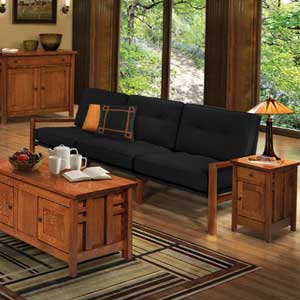
Living Room:
- Rolled-arm sofas with skirts
- Wing-back chairs
- Coffee tables with carved details
- Entertainment centers with doors
- Formal seating arrangements
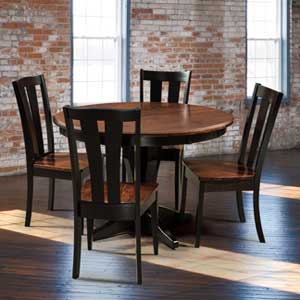
Dining Room:
- Pedestal or leg tables with leaves
- Upholstered dining chairs
- China cabinets with glass doors
- Buffets with carved details
- Formal place settings
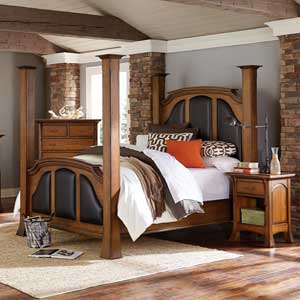
Bedroom:
- Four-poster or sleigh beds
- Tall dressers and armoires
- Nightstands with drawers
- Upholstered benches
- Matching furniture sets
Traditional vs. Other Styles
Traditional vs. Contemporary:
- Traditional: Ornate, curved, dark woods, formal
- Contemporary: Clean lines, minimal ornamentation, varied materials
Traditional vs. Transitional:
- Traditional: Fully ornate, formal, classic patterns
- Transitional: Blends traditional and modern, simplified details
Traditional vs. Rustic:
- Traditional: Refined, formal, polished finishes
- Rustic: Casual, natural, distressed finishes
Incorporating Traditional Furniture Today
Modern Applications:
- Mix with contemporary pieces for balance
- Use as statement pieces in modern spaces
- Update with contemporary fabrics
- Lighten color palette while keeping style
- Scale appropriately for modern room sizes
Maintaining Timeless Appeal:
- Choose quality over quantity
- Invest in well-crafted pieces
- Select neutral upholstery for longevity
- Care for wood finishes properly
- Appreciate craftsmanship and history
Conclusion: Timeless Elegance
Traditional furniture style represents centuries of refined design, quality craftsmanship, and timeless elegance. By recognizing these seven key features—rich wood tones, ornate carvings, graceful curves, formal symmetry, luxurious fabrics, substantial proportions, and classic hardware—you can identify authentic traditional pieces and create sophisticated, enduring interiors that never go out of style.
Frequently Asked Questions
What defines traditional furniture style?
Traditional furniture is defined by rich dark woods, ornate carved details, curved lines, formal symmetry, luxurious upholstery, substantial proportions, and classic brass hardware. It draws from 18th and 19th-century European design periods including Queen Anne, Chippendale, and Victorian styles.
What is the difference between traditional and transitional furniture?
Traditional furniture features full ornamentation, curved lines, dark woods, and formal elegance. Transitional furniture blends traditional and contemporary styles with simplified details, straighter lines, and lighter finishes while maintaining some classic elements. Transitional is less formal and more versatile.
What wood is used in traditional furniture?
Traditional furniture typically uses mahogany, cherry, walnut, and oak in rich, dark finishes. These woods showcase carved details beautifully, age gracefully, and convey the formal elegance associated with traditional style. High-gloss or hand-rubbed finishes enhance the wood's natural beauty.
Is traditional furniture still in style?
Yes, traditional furniture remains popular because its timeless design transcends trends. Quality traditional pieces serve as investment furniture that lasts generations. Many homeowners mix traditional pieces with contemporary elements for balanced, sophisticated interiors that feel both classic and current.


