
You finally decide to upgrade your home. You want pieces that feel warm, elevated, and built to last. But once you start shopping, one question keeps coming up: Solid wood or engineered wood?
Your choice affects how your home feels, how long your furniture holds up, and whether it’s worth the money. In 2026, US homeowners are paying closer attention to durability, craftsmanship, and long-term investment.
Let’s break it down so you can pick what fits your home.
Solid Wood vs Engineered Wood Furniture: What’s the Real Difference?
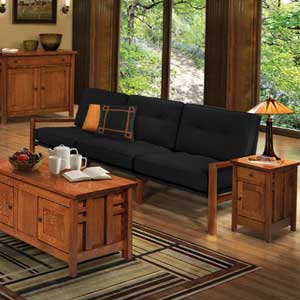
Solid wood furniture: Solid wood furniture is crafted from natural hardwoods like oak, maple, cherry, and walnut. Each piece uses real timber, not layers or composites.
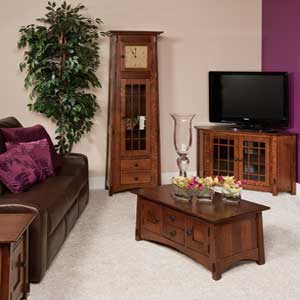
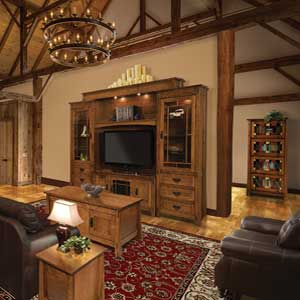
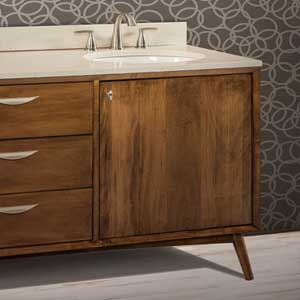
Brands like Online Amish Furniture focus entirely on this category. Their furniture is handcrafted by Amish artisans in the US using traditional joinery. No mass production. No shortcuts. Just durable, heirloom-quality pieces designed to last for decades.
Engineered wood furniture: Engineered wood includes MDF, plywood, and particleboard. Manufacturers combine wood fibers, veneers, and adhesives to produce affordable furniture. Brands use it widely in flat-pack furniture and budget-friendly designs.
Solid Wood Furniture Benefits That Matter in Real Homes
Most people look at solid wood when they want furniture that lasts.
Solid hardwood furniture can last 30 to 80 years or more, depending on the wood type and care. Oak and maple rank among the most durable species used in US furniture manufacturing, according to the USDA Forest Service.
You can move it, refinish it, and keep it for decades.
Each piece carries unique grain patterns. Over time, solid wood develops a richer tone instead of looking worn out.
Scratches, dents, and wear can be sanded and restored. You don’t have to throw it away.
Higher upfront cost, but lower cost over time. Many homeowners now evaluate furniture based on how long it lasts, not just the price tag. If you want to invest in timeless furniture, this is where solid wood stands apart.
Engineered Wood Furniture: Where It Fits and Where It Falls Short
Engineered wood fits well in modern homes, especially for short-term use. But it comes with trade-offs.
Why do people choose engineered wood?
- Lower upfront cost.
- Lightweight and easy to move.
- Consistent, modern finishes.
Where does it struggle?
- Average lifespan ranges from 3 to 10 years.
- Prone to swelling with moisture exposure.
- Limited repair options.
- Surface damage is often permanent.
Interior designers often recommend engineered wood for temporary setups or low-use spaces. It works for a while, but most pieces wear out quickly.
Engineered Wood vs Solid Wood Durability: A Clear Winner
Most buyers focus on durability when comparing these materials.
Solid wood
- Handles daily wear and heavy use.
- Maintains structural strength over time.
- Can last generations.
Engineered wood
- Weakens under repeated stress.
- Sensitive to humidity and spills.
- Requires replacement sooner.
For high-use furniture like beds, dining tables, and storage units, solid wood consistently performs better.
Cost Comparison: What You Really Pay Over Time
At first glance, engineered wood feels like the smart financial choice. But long-term math tells a different story.
Engineered wood cost
- Lower initial investment.
- Replacement every few years.
- Limited resale value.
Solid wood cost
- Higher upfront investment.
- Decades of use.
- Strong resale and heirloom value.
Many US homeowners now focus on the cost per year of use. A dining table that lasts 40 years costs less per year than one replaced every five years.
Design Trends in 2026: Why Solid Wood is Taking Over
Home design in the US now leans toward warmer, more natural spaces. More homeowners now choose quality over quick fixes.
What’s shaping furniture choices now?
- Natural materials over synthetic finishes.
- Visible wood grain and texture.
- Fewer pieces, higher quality.
- Custom furniture that fits your space.
Solid wood fits perfectly in this direction. It adds depth and character without trying too hard.
When you explore handcrafted collections from Online Amish Furniture, you’ll see this clearly. Their pieces are built around timeless design, not fast-moving trends.
Sustainability: A Key Decision Factor
Sustainability influences buying decisions more than ever.
Solid wood advantages
- A long lifespan reduces landfill waste.
- Often sourced from responsibly managed forests.
- No need for frequent replacement.
Engineered wood concerns
- Uses adhesives that can emit VOCs.
- Short lifecycle increases waste.
The Environmental Protection Agency reports that furniture waste in the US exceeds 12 million tons annually. Choosing durable furniture directly reduces that number.
What US Homeowners Prefer in 2026
The shift is clear. Homeowners are moving away from disposable furniture and focusing on long-term value.
Key buying behaviors
- Investing in fewer, better pieces.
- Choosing solid wood for primary furniture.
- Using engineered wood only where needed.
- Prioritizing craftsmanship and customization.
This is why Online Amish Furniture continues to stand out. The brand connects buyers with Amish craftsmen who build custom furniture based on your preferred wood type, finish, and size. You get pieces that fit your home and last for decades.
Where to Use Solid Wood vs Engineered Wood in Your Home
Best uses for solid wood
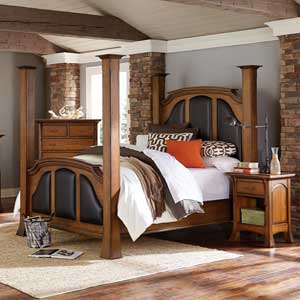
- Beds and bedroom sets
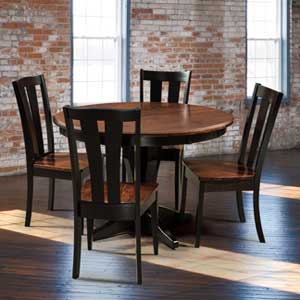
- Dining tables and chairs
- Coffee tables
- Storage furniture
Best uses for engineered wood
- Temporary setups
- Guest rooms
- Decorative furniture
If you’re planning to upgrade your living space, start with the pieces you use every day.
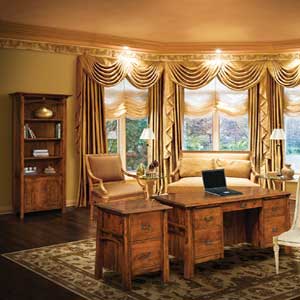
You can also explore categories like solid wood beds, dining tables, and home office furniture to build a cohesive, long-lasting setup.
Final Thoughts
Choose between solid wood and engineered wood furniture based on how you live and how long you want your furniture to last. Engineered wood works for quick, budget-friendly solutions. Solid wood delivers durability, character, and long-term value.
If you’re ready to invest in timeless furniture, explore handcrafted collections from Online Amish Furniture.
Shop today and upgrade your living space with pieces that don’t need replacing.
FAQs on Solid Wood vs Engineered Wood Furniture
Is engineered wood furniture worth it in 2026 USA?
It works for short-term use or tight budgets. It’s not ideal for long-term durability.
How long does solid wood furniture last?
Most solid wood furniture lasts 30 to 80 years or longer with proper care.
Is solid wood furniture hard to maintain?
No. Regular dusting and occasional polishing keep it in good condition.
Which is better for humid climates?
Properly sealed solid wood performs better. Engineered wood tends to swell and degrade.
Is solid wood furniture eco-friendly?
Yes. Its long lifespan reduces waste and replacement frequency.
Why is solid wood furniture more expensive?
It reflects material quality, craftsmanship, and longevity. You pay for decades of use.


