
A dining table is one of the most-used pieces of furniture in any home. It hosts family dinners, holiday celebrations, conversations, homework sessions, and everyday moments that become lasting memories. Yet many buyers face the same question before investing in new dining room furniture: Should you choose a solid wood dining table or a glass dining table?
At Online Amish Furniture, we help homeowners invest in furniture built for both function and longevity. While both materials offer unique benefits, understanding how they compare in durability, maintenance, style, and long-term value can help you make the right decision for your space.
If you're searching for a dining table that combines craftsmanship, beauty, and lasting performance, explore our handcrafted dining tables and discover why so many homeowners continue to choose solid hardwood furniture.
Understanding the Difference Between Solid Wood and Glass Dining Tables
The biggest difference between these two options comes down to material construction and long-term performance.
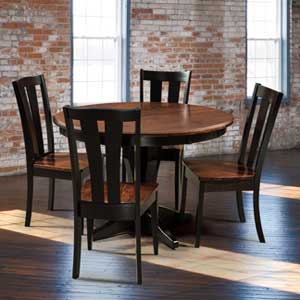
A solid wood dining table is crafted from genuine hardwood such as oak, maple, cherry, walnut, elm, or hickory. Premium hardwood dining tables are built from thick, solid lumber rather than veneers, particleboard, or engineered materials.
A glass dining table typically features a tempered glass top supported by metal, wood, or composite bases. These tables are often chosen for contemporary interiors and minimalist aesthetics.
Both styles can look beautiful. The real distinction appears after years of daily use.
Key Characteristics
| Feature | Solid Wood Dining Table | Glass Dining Table |
|---|---|---|
| Material | Natural hardwood | Tempered glass |
| Lifespan | Decades to generations | Often shorter due to wear or replacement needs |
| Repairability | Easily refinished | Difficult to repair if damaged |
| Style | Timeless and versatile | Modern and contemporary |
| Investment Value | High | Moderate |
According to the National Hardwood Lumber Association, properly maintained hardwood furniture can remain functional for generations, making it one of the longest-lasting furniture investments available.
Comparing a Solid Wood Dining Table vs. a Glass Dining Table
Durability and Longevity
Durability is often the deciding factor for buyers furnishing a long-term home.
A solid wood dining table withstands daily use, heavy serving dishes, family gatherings, and years of wear. Minor scratches, dents, and surface imperfections can often be repaired through sanding and refinishing.
Glass tables resist staining but remain vulnerable to chips, cracks, scratches, and edge damage. Once significant damage occurs, replacement is often the only solution.
Winner: Solid Wood Dining Table
Maintenance and Cleaning
Glass tables require frequent cleaning because fingerprints, dust, smudges, and water spots remain highly visible.
Wood tables need routine dusting and occasional conditioning, but everyday marks are less noticeable.
Many homeowners find themselves cleaning glass surfaces multiple times per week to maintain a polished appearance.
Winner: Solid Wood Dining Table
Family Friendliness and Safety
Families with children often prioritize safety.
Glass tables demonstrate concerns about sharp edges, visible fingerprints, accidental impacts, and breakage risks. Tempered glass is safer than standard glass, but damage remains possible.
Solid wood dining tables provide sturdy construction and greater peace of mind for busy households.
Winner: Solid Wood Dining Table
Style and Design Flexibility
Glass tables excel in contemporary interiors. Their transparent surface creates visual openness and can help compact dining rooms feel larger.
Solid wood tables offer unmatched versatility. They complement traditional, transitional, farmhouse, rustic, craftsman, modern organic, and luxury interior design styles.
Architect Frank Lloyd Wright famously stated, "Wood is universally beautiful to man."
That timeless appeal continues to influence residential design today.
Winner: Solid Wood Dining Table
Sustainability and Environmental Impact
Responsibly harvested hardwood is among the most sustainable furniture materials available.
The Forest Stewardship Council (FSC) supports forestry practices that protect biodiversity, water resources, and forest ecosystems while providing renewable materials for furniture manufacturing.
Many Amish dining tables are built using sustainably sourced North American hardwoods, including oak, maple, cherry, and walnut.
Glass production requires significant energy consumption during manufacturing and recycling processes.
Winner: Solid Wood Dining Table
Long-Term Value and Investment
Furniture should be evaluated not only by purchase price but also by lifetime ownership cost.
A handcrafted dining table made from solid hardwood often remains in service for decades. Many become heirloom pieces passed through generations.
Glass tables rarely appreciate in sentimental or practical value over time.
Winner: Solid Wood Dining Table
Why Homeowners Continue to Choose Solid Wood Dining Tables?
The popularity of solid wood dining table designs continues to grow because buyers increasingly prioritize quality over disposable furniture.
According to Houzz renovation trend reports, homeowners consistently invest in durable, high-quality furnishings when upgrading dining spaces because longevity reduces replacement costs over time.
Several factors explain why hardwood dining tables remain a preferred choice.
Heirloom-Quality Craftsmanship
At Online Amish Furniture, our Amish dining tables are handcrafted by skilled artisans using traditional woodworking methods.
Furniture designer William Morris offered a principle that remains relevant today: "Have nothing in your houses that you do not know to be useful or believe to be beautiful."
A handcrafted hardwood table fulfills both standards.
Exceptional Repairability
Unlike glass, solid wood can be restored. Surface scratches, dents, finish wear, and minor damage can often be repaired rather than replaced.
Emotional Value
Dining tables become part of family history.
- Holiday dinners.
- Birthday celebrations.
- Graduation parties.
- Sunday breakfasts.
Over time, the table becomes more than furniture. It becomes part of your home's story.
Customization Opportunities
Custom dining tables allow homeowners to select:
- Wood species
- Finish color
- Table size
- Edge profile
- Extension options
- Base style
This level of personalization is difficult to achieve with mass-produced glass furniture.
Featured Amish Dining Tables to Explore
Buyers seeking timeless elegance often gravitate toward the Mission Dining Table, which pairs beautifully with Craftsman and transitional interiors.
The Farmhouse Dining Table remains one of the best dining table choices for large families who need generous seating and everyday durability.
For luxury dining room furniture, many homeowners prefer a Rustic Walnut Dining Table because of its rich grain patterns and natural character.
The Trestle Dining Table suits buyers who want statement-making craftsmanship and superior structural support.
Expandable dining tables are ideal for homeowners who regularly entertain guests but want flexibility for everyday use.
Browse our custom dining table collection to find handcrafted designs tailored to your home.
When a Glass Dining Table Might Be the Right Choice?
Glass dining tables still serve a purpose in specific situations.
They work particularly well when:
- You prefer ultra-modern interiors.
- Your dining area is visually compact.
- You want a lighter visual footprint.
- You prioritize contemporary aesthetics.
Interior designers often use glass surfaces to maximize light reflection and create an airy feeling.
For apartments, condos, and minimalist homes, a glass table may complement the overall design direction.
Our Recommendation: Which Dining Table Is Better for Most Homes?
After comparing durability, maintenance, sustainability, customization, safety, and long-term value, the evidence strongly favors a solid wood dining table for most households.
Glass dining tables offer visual appeal, but solid hardwood delivers advantages that continue to matter years after purchase.
You gain:
- Superior durability
- Greater family friendliness
- Timeless design flexibility
- Sustainable materials
- Better long-term value
- Heirloom-quality craftsmanship
For homeowners seeking furniture that combines beauty, functionality, and lasting performance, a handcrafted Amish dining table remains one of the smartest investments available.
Final Thoughts
Choosing the right dining table affects both the appearance and functionality of your home for years to come. While glass tables offer a sleek contemporary look, the enduring advantages of a solid wood dining table continue to make it the preferred choice for homeowners seeking quality, longevity, and lasting value.
At Online Amish Furniture, we believe furniture should be built to serve generations, not seasons. Our handcrafted Amish dining tables combine premium hardwoods, skilled craftsmanship, and customization options designed around your lifestyle.
If you're ready to invest in furniture that delivers beauty today and value for decades ahead, explore our Amish dining tables and shop for the solid wood dining table that will become the centerpiece of your family's story.
FAQs - Wood Dining Table vs Glass Dining Table
Are solid wood dining tables better than glass tables?
For most households, yes. Solid wood dining tables offer greater durability, repairability, customization, and long-term value than glass dining tables.
How long does a solid wood dining table last?
A high-quality hardwood dining table can last several decades and often remains functional for generations when properly maintained.
Which dining table is easiest to maintain?
Solid wood tables generally require less frequent cleaning because fingerprints and smudges are less visible than on glass surfaces.
Are Amish dining tables worth the investment?
Yes. Amish dining tables are known for exceptional craftsmanship, solid hardwood construction, and heirloom-quality durability, making them a strong long-term furniture investment.
What wood is best for a dining table?
Oak, maple, cherry, walnut, and hickory are among the best hardwoods for dining tables because of their strength, durability, and natural beauty.
Does a glass dining table make a room look bigger?
Yes. The transparent surface allows more visual openness, which can make smaller dining rooms feel larger and brighter.


