
At first glance, fast furniture seems like the smarter purchase. Lower prices, trendy designs, and quick availability make it an attractive option for furnishing a home.
Ten years later, the story often looks very different.
Replacing worn-out pieces, dealing with structural failures, and constantly updating outdated styles can make fast furniture far more expensive than homeowners expect. By comparison, solid wood furniture is built to withstand decades of daily use while maintaining its beauty, functionality, and value.
At Online Amish Furniture, we believe furniture should be a long-term investment. If you're deciding between solid wood furniture and fast furniture, here's what the true cost looks like over the next decade.
Over the years, we've helped homeowners replace low-cost furniture that failed within a few years while their handcrafted hardwood pieces continued performing beautifully decades later.
Longevity and Durability: Why Solid Wood Furniture Outlasts Fast Furniture?
Materials Matter: Solid Wood vs Particle Board
The biggest difference between solid wood furniture and fast furniture lies beneath the surface.
Fast furniture is commonly manufactured from particle board, MDF, laminate, and veneer-covered composites. These materials reduce production costs but are vulnerable to moisture damage, sagging, chipping, and structural weakening over time.
Solid wood furniture is crafted from hardwood species such as oak, maple, cherry, and walnut. These materials have been trusted for centuries because of their strength, stability, and longevity. According to the Hardwood Manufacturers Association, quality hardwood furniture can remain functional for generations when properly maintained, making it one of the longest-lasting furnishing materials available for residential use.
Unlike mass-produced alternatives, solid wood pieces maintain their integrity through years of everyday use. Our Amish craftsmen use traditional mortise-and-tenon joinery, a woodworking technique trusted for centuries because it creates exceptionally strong mechanical connections that resist loosening over time. This level of construction is rarely found in fast furniture manufacturing.
Maintenance and Longevity Insights
One of the most overlooked benefits of solid wood furniture is its ability to be restored.
Scratches, dents, and surface wear can often be repaired through refinishing or professional restoration. Fast furniture rarely offers the same advantage. Once damaged, replacement is often the only practical solution.
This repairability significantly extends the lifespan of solid wood furniture and reduces the total cost of ownership over time. In our experience, customers often begin their search for Amish furniture after experiencing repeated issues with particle board furniture, including sagging shelves, loose joints, and surface damage that cannot be repaired effectively.
Cost Comparison Over 10 Years: Not Just the Price Tag
Initial Investment vs Replacement Costs
Fast furniture wins on upfront cost. Solid wood furniture wins on lifetime value.
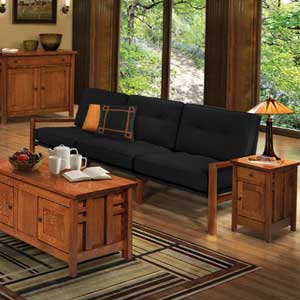
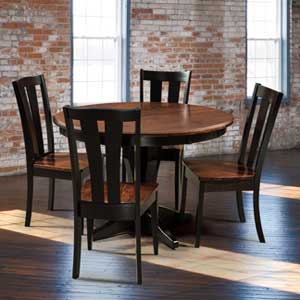
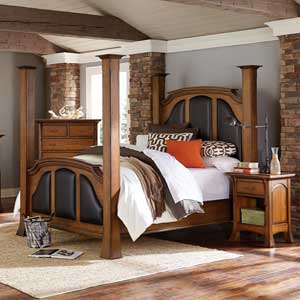
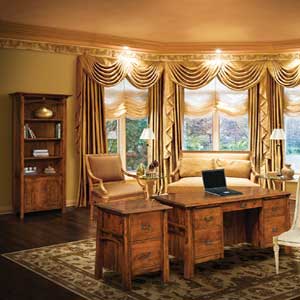
Consider a homeowner furnishing a bedroom, dining room, living room, and home office.
Fast furniture often requires replacement every three to seven years due to wear, damage, or changing trends. Over a decade, those replacement cycles can double or even triple the original investment.
Solid wood furniture typically requires a larger initial purchase, but many pieces remain functional and beautiful for 30 years or longer.
The result is lower long-term spending, fewer replacement costs, and greater overall value.
Environmental and Lifestyle Considerations
According to the U.S. Environmental Protection Agency, furniture contributes millions of tons of waste to landfills each year. EPA data shows that furniture and furnishings account for more than 12 million tons of municipal solid waste annually in the United States, highlighting the environmental impact of disposable furniture consumption. A significant portion comes from low-cost furniture that is discarded after relatively short periods of use.
Choosing handcrafted solid wood furniture supports a more sustainable approach to home furnishing. Instead of repeatedly replacing furniture, homeowners invest in pieces designed to serve their families for decades.
For many luxury buyers, sustainability is no longer a trend. It is part of making thoughtful purchasing decisions.
Aesthetic Appeal and Timeless Design
Fast furniture is often designed around short-term trends.
What feels fashionable today can quickly appear dated, leading homeowners to replace perfectly functional pieces simply to keep up with changing styles.
Solid wood furniture offers a different approach.
Natural wood grain, handcrafted details, and timeless design create a sense of permanence and sophistication that transcends trends. No two pieces are identical, giving each item a unique character and authenticity.
Whether placed in a traditional home, modern farmhouse, transitional interior, or contemporary space, handcrafted hardwood furniture adapts beautifully across design styles and generations.
Craftsmanship: The Difference You Can Feel
Furniture quality is determined not only by materials but also by how those materials are assembled.
Mass-produced fast furniture prioritizes speed and volume. Components are frequently assembled using staples, cam locks, and adhesives designed for efficient manufacturing.
Amish furniture prioritizes craftsmanship.
Our artisans use time-tested woodworking techniques, including mortise-and-tenon joinery, to create stronger, longer-lasting connections. These methods have been trusted for centuries because they deliver exceptional durability and structural stability.
The difference becomes apparent every time you open a drawer, sit in a chair, or move a piece across a room.
Resale Value and Generational Ownership
Fast furniture typically loses value immediately after purchase.
Solid wood furniture often retains value significantly longer because of its craftsmanship, durability, and material quality. Furniture appraisers and estate specialists frequently assign greater long-term value to well-maintained hardwood furniture because repairability and structural integrity contribute to a longer useful life. In many families, handcrafted furniture becomes an heirloom passed from one generation to the next.
Few household purchases offer the opportunity to create both practical and sentimental value over decades of ownership.
Final Thoughts: Which Furniture Delivers Better Value?
When comparing solid wood furniture vs fast furniture over 10 years, the better investment becomes clear.
Solid wood furniture offers:
- Greater durability
- Lower replacement costs
- Timeless design
- Superior craftsmanship
- Repairability and refinishing options
- Enhanced sustainability
- Long-term value retention
At Online Amish Furniture, we create handcrafted solid wood furniture built to become part of your family's legacy. If you're ready to invest in furniture that delivers lasting beauty, exceptional craftsmanship, and decades of performance, explore our collection of Amish-made furniture today.
FAQs
How long does solid wood furniture typically last?
High-quality solid wood furniture often lasts 30 to 50 years or longer. Many heirloom-quality pieces remain in use for generations.
Is Amish furniture better than fast furniture?
Yes. While the upfront cost is higher, reduced replacement expenses and longer lifespan typically result in better long-term value.
What is considered fast furniture?
Fast furniture refers to inexpensive, mass-produced furniture designed for short-term use. It is commonly made from particle board, MDF, veneers, and other engineered materials.
Can solid wood furniture be repaired if damaged?
Yes. Most scratches, dents, and surface wear can be repaired, refinished, or restored, extending the furniture's lifespan.
Does solid wood furniture increase resale value?
Quality solid wood furniture generally retains value better than fast furniture due to its durability, craftsmanship, and material quality.
Why is Amish furniture considered premium furniture?
Amish furniture is handcrafted from solid hardwood using traditional woodworking techniques and meticulous attention to detail, resulting in exceptional quality and longevity.


